Common Chiropractic Questions Patients Ask in Denton, Texas
Patients often have questions when considering chiropractic care. Many people want to understand how chiropractic treatment works, what conditions chiropractors treat, and whether chiropractic care is appropriate for their specific symptoms. At Denton Chiropractic Center, our doctors provide chiropractic care for patients experiencing back pain, neck pain, sciatica, disc injuries, sports injuries, and auto accident injuries. The following questions represent many of the most common concerns patients have before beginning treatment.
1. What Does a Chiropractor Do?
Chiropractors evaluate and treat conditions affecting the spine, joints, muscles, and nervous system. Treatment often focuses on restoring proper joint motion, reducing nerve irritation, and improving overall function.
Common chiropractic treatments include spinal adjustments, rehabilitation exercises, posture correction, laser therapy and spinal decompression therapy.
2. What Conditions Do Chiropractors Treat?
Chiropractors commonly treat musculoskeletal conditions including back pain, neck pain, sciatica, herniated discs, bulging discs, headaches, whiplash injuries, sports injuries, joint dysfunction, and degenerative disc disease.
3. Can Chiropractors Help Sciatica?
Yes. Chiropractors frequently treat sciatica, which occurs when the sciatic nerve becomes irritated or compressed. Treatment may include spinal adjustments, spinal decompression therapy, and rehabilitation exercises designed to reduce pressure on the nerve.
4. What Causes Sciatica?
Sciatica often develops when a spinal disc or surrounding structure places pressure on the sciatic nerve. Common causes include herniated discs, bulging discs, degenerative disc disease, spinal stenosis, and muscle irritation.
5. Can Chiropractic Care Help Herniated Discs?
Many patients with herniated discs seek chiropractic care to reduce pain and improve spinal function. The doctors at Denton Chiropractic Center treat bulging and herniated discs daily with great success in pain reduction and improved function. Treatment may include spinal adjustments, decompression therapy, and rehabilitation exercises.
6. What Is a Chiropractic Adjustment?
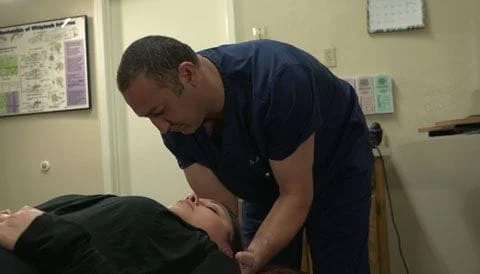
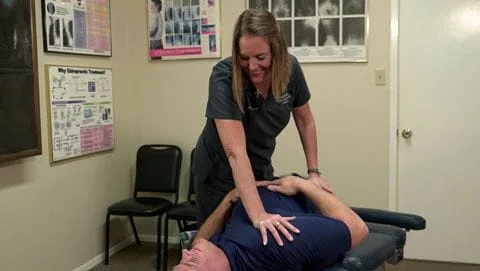
A chiropractic adjustment is a controlled movement applied to a spinal joint that is not moving properly in order to restore mobility and improve spinal function. The doctors at Denton Chiropractic Center have multiple techniques available for treatment of their patients. They range from very gentle to classic manual adjustments. Some techniues the doctor will use their hands and others the doctor with use a tool, or activator.
7. Are Chiropractic Adjustments Safe?
Chiropractic care is widely used for musculoskeletal conditions and spinal pain. Chiropractors evaluate patients carefully before recommending treatment. Chiropractic care is widely recognized as a safe and effective treatment for many musculoskeletal conditions, particularly back pain and neck pain, when performed by a properly trained and licensed chiropractor. Research published in peer-reviewed medical literature indicates that serious complications associated with spinal manipulation are extremely rare. Rubinstein SM. Adverse events following chiropractic care for subjects with neck or low-back pain.
8. Does a Chiropractic Adjustment Hurt?
Most chiropractic adjustments cause little to no discomfort. Some patients experience mild soreness after treatment as the body adapts to improved joint movement.
9. How Many Chiropractic Visits Are Needed?
The number of visits varies depending on the condition, severity of symptoms, and patient goals. Many patients choose to follow a corrective care plan understanding how important it is to correct the cause of the issue and not just masking or relieving the pain.
10. What Is Spinal Decompression Therapy?
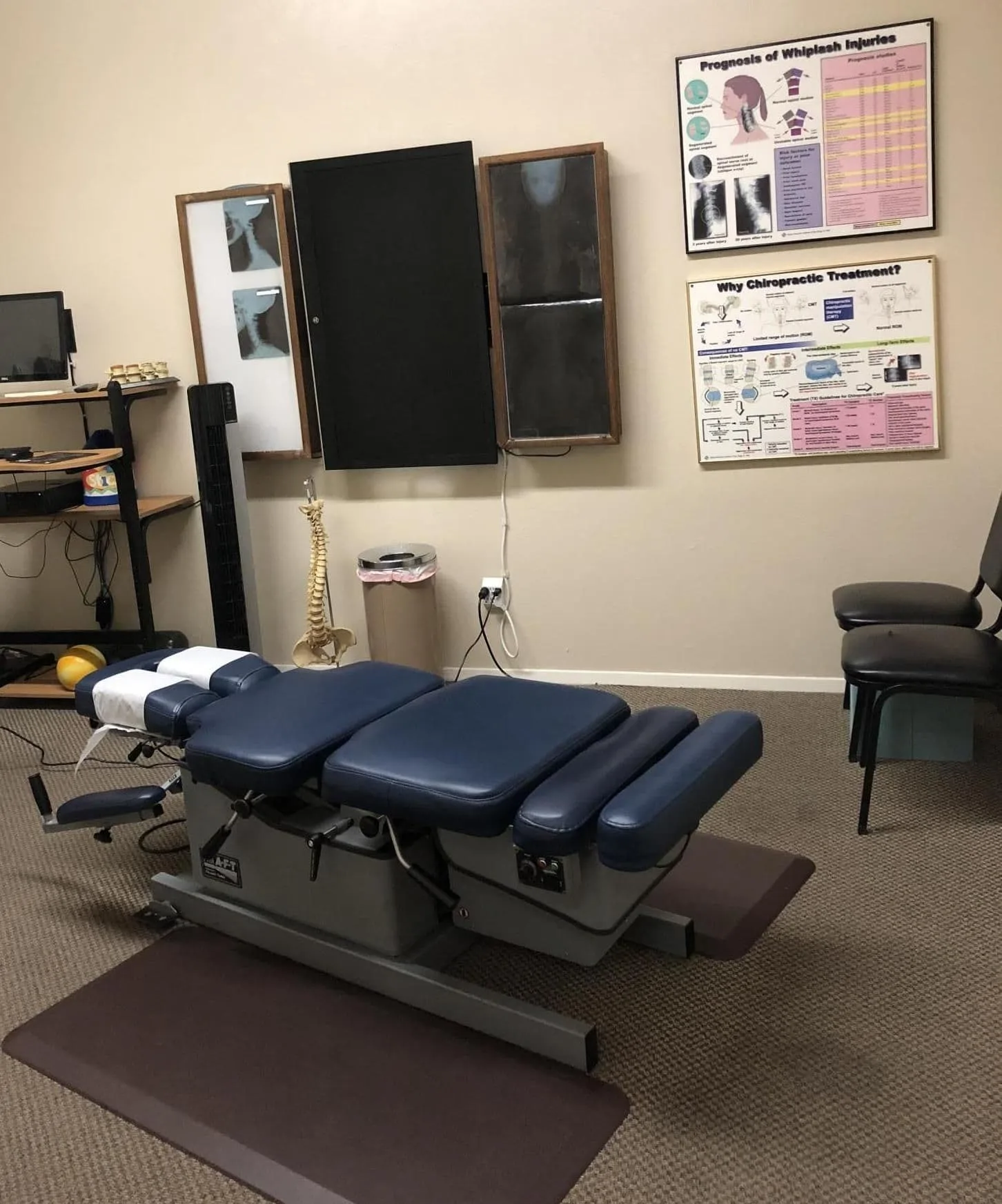
Spinal decompression therapy is a non-surgical treatment designed to relieve pressure on spinal discs and nerves, commonly used for herniated discs, bulging discs, shooting arm pain and sciatica. It uses a specialized motorized table that gently stretches the spine in a controlled and precise manner. The goal of decompression therapy is to reduce pressure within the spinal discs and create conditions that support healing.
11. How Does Spinal Decompression Work?
During treatment, the patient lies on a decompression table while a harness is applied to the pelvis or neck depending on the area being treated. The table then applies a carefully controlled traction force that gradually lengthens the spine.
This process helps create negative pressure within the spinal disc, which may:
• reduce pressure on irritated spinal nerves
• allow bulging or herniated disc material to retract
• improve the movement of fluids, oxygen, and nutrients into the disc
• decrease inflammation surrounding the affected nerve
Because the traction is computerized and cyclic, the muscles surrounding the spine are less likely to tighten or guard during treatment.
12. What Conditions Can Spinal Decompression Treat?
Spinal decompression therapy is commonly used for conditions such as:
• herniated discs
• bulging discs
• degenerative disc disease
• sciatica
• spinal stenosis
• chronic neck pain
• chronic lower back pain
13. Can Chiropractic Care Help Neck Pain?
Yes. Chiropractors commonly treat neck pain caused by posture problems, muscle strain, disc injuries, or auto accidents such as whiplash.
Chiropractic care tends to help most when neck pain is related to:
-
Joint restriction and irritation (stiff “stuck” segments, facet joint pain)
-
Muscle tension and trigger points (upper traps, levator scapulae, suboccipitals)
-
Posture and work strain (computer/phone posture, driving, repetitive overhead work)
-
Mechanical neck pain (worse with certain movements or positions)
-
Some headaches linked to the neck (cervicogenic headaches, tension-type patterns)
-
Whiplash-associated disorders (often needs a blend of hands-on care + rehab)
14. What Causes Neck Pain?
Neck pain may develop from poor posture, muscle strain, disc injuries, degenerative changes, car accidents, or sports injuries.
15. Can Chiropractors Help Headaches?
Some headaches are related to muscle tension or joint dysfunction in the neck. Chiropractic treatment may help reduce headache frequency.
16. Should I See a Chiropractor After a Car Accident?
Yes, seeing a chiropractor after a car accident can be beneficial, even if symptoms seem mild at first. Motor vehicle collisions often place sudden forces on the spine and surrounding soft tissues, which can lead to injuries that may not become noticeable until hours or even days after the accident. Early evaluation helps identify these injuries and begin appropriate treatment before they develop into longer-term problems.
Chiropractors are trained to assess spinal alignment, joint function, and soft tissue injuries. After a thorough evaluation, treatment may include chiropractic adjustments, soft tissue therapy, rehabilitation exercises, and other therapies designed to reduce inflammation and restore normal movement.
The goals of chiropractic care after a car accident typically include:
• reducing pain and inflammation
• restoring normal spinal mobility
• improving muscle and joint function
• supporting proper healing of injured tissues
Early treatment may also help reduce the risk of chronic pain or long-term complications following an accident.
17. What Is Whiplash?
Whiplash is a neck injury that occurs when the head is suddenly forced backward and then forward, creating a rapid whipping motion of the cervical spine. This motion commonly happens during rear-end car collisions, but it can also occur during sports injuries, falls, or other sudden impacts.
The rapid acceleration and deceleration places significant stress on the muscles, ligaments, discs, and joints of the neck, potentially leading to irritation, inflammation, and reduced mobility.
Symptoms of whiplash do not always appear immediately. It is common for symptoms to develop hours or even days after the accident.
Common symptoms include:
• neck pain or stiffness
• headaches, often starting at the base of the skull
• reduced range of motion in the neck
• shoulder or upper back pain
• dizziness
• fatigue
• muscle tightness or spasms
Some individuals may also experience tingling or numbness in the arms if nearby nerves become irritated.
18. Can Chiropractors Treat Sports Injuries?
Yes, chiropractors commonly treat many types of sports injuries involving the muscles, joints, ligaments, and spine. Chiropractic care focuses on restoring normal movement, reducing pain, and helping the body recover properly after injury. Athletes of all levels, from recreational athletes to professionals, often seek chiropractic treatment to help manage injuries and improve performance.
Common Sports Injuries Chiropractors Treat
Sports and physical activities place repetitive stress on the body, which can lead to injuries affecting joints and soft tissues. Chiropractors frequently treat conditions such as:
• muscle strains
• ligament sprains
• shoulder injuries
• knee injuries
• tendon irritation
• low back pain
• neck pain
• joint dysfunction
• overuse injuries
These injuries can occur during activities such as running, weightlifting, cycling, football, tennis, or other sports that involve repetitive motion or high-impact forces.
19. What Happens During the First Chiropractic Visit?
The first visit typically includes a health history, orthopedic examination, neurological evaluation, spinal assessment, and possibly diagnostic imaging.
20. Do Chiropractors Take X-Rays?
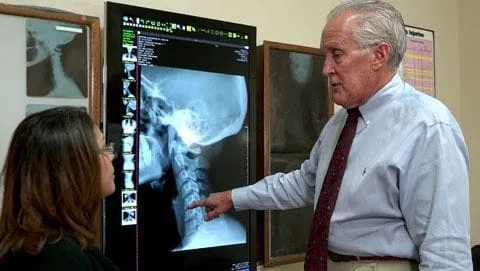
Yes, many chiropractors take X-rays as part of their diagnostic process when they are clinically necessary. X-rays allow chiropractors to view the bones of the spine and joints to better understand spinal alignment, identify injuries, and determine the most appropriate treatment approach.
Why Chiropractors Use X-Rays
X-rays provide important information about the structure of the spine that cannot be determined through physical examination alone. Chiropractors may recommend X-rays to help:
• evaluate spinal alignment
• identify fractures or structural abnormalities
• detect degenerative changes in joints or discs
• assess scoliosis or abnormal spinal curvature
• evaluate injuries after trauma such as car accidents or falls
• determine whether chiropractic treatment is appropriate and safe
By viewing the spine through imaging, chiropractors can make more informed decisions about treatment and avoid techniques that may not be appropriate for certain conditions
21. Can Chiropractic Care Help Posture?
Yes, chiropractic care can help improve posture by addressing the underlying factors that contribute to poor alignment of the spine and surrounding muscles. Posture is influenced by the way the spine, joints, muscles, and nervous system work together. When joints become restricted or muscles become imbalanced, it can lead to positions such as forward head posture, rounded shoulders, or excessive spinal strain.
22. Can Chiropractors Help Lower Back Pain?
Yes, chiropractic care is commonly used to help treat low back pain, one of the most frequent reasons people seek healthcare. Low back pain can occur when muscles, joints, ligaments, or spinal discs become irritated or injured. Chiropractic treatment focuses on identifying the underlying cause of the pain and improving the function of the spine and surrounding tissues.
23. What Causes Lower Back Pain?
What Causes Low Back Pain?
Low back pain can develop for many different reasons. Some of the most common causes include:
• muscle strain from lifting or sudden movement
• joint dysfunction in the lumbar spine
• herniated or bulging discs
• degenerative disc disease
• poor posture or prolonged sitting
• sports injuries or repetitive stress
• ligament strain or instability
These issues can lead to inflammation, restricted movement, and irritation of nearby nerves.
24. Can Chiropractic Care Help Bulging Discs?
Yes, chiropractic care can help manage symptoms associated with a bulging disc, particularly when the condition is causing back pain, neck pain, or nerve irritation. Treatment focuses on improving spinal movement, reducing pressure on affected nerves, and supporting the body’s natural healing process. Often the chiropractors will include decompression therapy as part of their treatment plan for a bulging or herniated disc.
25. What Is Degenerative Disc Disease?
Degenerative disc disease (DDD) is a condition that occurs when the spinal discs gradually wear down over time. The discs between the vertebrae act as cushions and shock absorbers for the spine. As people age, these discs can lose hydration, elasticity, and height, which may reduce their ability to absorb stress and allow smooth movement of the spine.
26. Can Chiropractic Care Help Prevent Future Injuries?
Improving spinal mobility, strength, and posture may help reduce strain on the spine.
27. When Should Someone See a Chiropractor?
A chiropractor may be helpful when someone is experiencing pain, stiffness, or reduced mobility involving the spine, joints, or surrounding muscles. Chiropractic care focuses on evaluating how the spine and musculoskeletal system are functioning and providing treatment aimed at improving movement, reducing irritation to nerves and tissues, and restoring normal function.
There are many people who also choose to use Chiropractic as a wellness tool to maintain flexibility, movement, and the painless lifestyle that they enjoy.
28. Can Chiropractors Help With Mobility and Flexibility?
Chiropractic adjustments help improve mobility and flexibility by restoring normal motion to joints in the spine and other areas of the body. When joints are not moving properly, they can become stiff and restrict surrounding muscles and connective tissues. Adjustments are designed to reduce this restriction and allow the body to move more freely.
29. What Areas of the Body Do Chiropractors Treat?
Chiropractors treat almost any joints throughout the body including the spine, neck, shoulders, hips, knees, ankles, and even the TMJ. If you are not sure just ask one of our caring doctors and they will be happy to give you an answer.
30. How Can I Schedule an Appointment?
Patients experiencing back pain, neck pain, sciatica, or other spinal conditions may benefit from chiropractic evaluation at Denton Chiropractic Center. Contact the doctors at 940-566-3232